How to Make a Small UK Bedroom Feel Bigger: 12 Space-Saving Ideas

A small bedroom can be challenging to organise, particularly in UK homes where bedrooms often have awkward layouts, limited floor space, alcoves or sloping ceilings. But a compact room does not have to feel cramped.
With the right layout, colours, furniture and storage solutions, you can make a small bedroom feel brighter, more spacious and much easier to live in. The key is to make every part of the room work harder without filling it with unnecessary furniture.
From choosing the right wardrobe style to making use of vertical space, here are 12 practical ways UK homeowners can make a small bedroom feel bigger.
1. Choose Furniture That Fits the Room
One of the easiest ways to make a small bedroom feel more spacious is to choose furniture that is properly proportioned.
Large freestanding wardrobes, oversized bedside tables and bulky chests of drawers can quickly make a compact bedroom feel crowded. Instead, consider furniture that fits the available wall and floor space.
Measure the room carefully before purchasing anything and think about how much walking space will remain once the furniture is installed.
For particularly compact bedrooms, bespoke furniture can be useful because it can be designed around the exact dimensions of the room rather than forcing the room to accommodate standard furniture sizes.
2. Make the Most of Floor-to-Ceiling Space
When floor space is limited, look upwards.
Vertical storage allows you to use areas that would otherwise remain empty. A floor-to-ceiling wardrobe can provide considerably more storage without requiring additional floor space.
The upper sections can be used for less frequently needed items such as seasonal clothing, spare bedding and luggage, while everyday items remain within easy reach.
This approach can also create a more streamlined appearance because the storage occupies one continuous section of the wall rather than being spread across several pieces of furniture.
3. Consider Fitted Wardrobes for Small Bedrooms
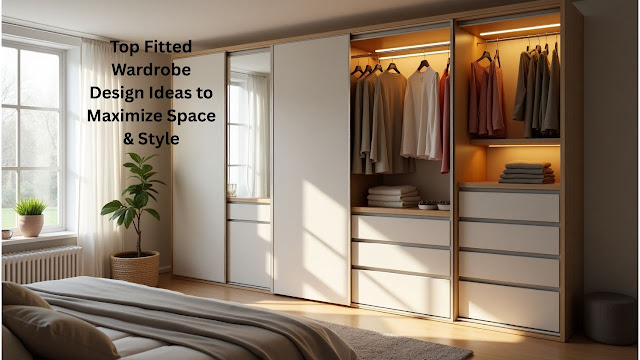
A fitted wardrobe can be particularly effective in a compact bedroom because it can be designed around the room's specific dimensions.
Unlike standard freestanding wardrobes, fitted furniture can make use of alcoves, corners, chimney breasts and other awkward areas that might otherwise become wasted space.
Dreamztime's small bedroom fitted wardrobes are designed around compact spaces, with options including overbed storage, corner solutions and built-in cabinets.
The advantage is not simply additional storage. A well-planned fitted wardrobe can also make the room look more organised because the furniture becomes part of the architecture rather than appearing as a separate bulky object.
4. Use Sliding Wardrobe Doors
Traditional hinged wardrobe doors require clearance in front of the wardrobe when they are opened. In a small bedroom, that space can be valuable.
Sliding wardrobe doors move sideways rather than opening into the room, making them a practical option where floor space is limited.
They can also contribute to a cleaner visual appearance, particularly when the doors extend across a larger section of the wall.
If you are considering this approach, explore sliding wardrobes to see how this style can be incorporated into a compact bedroom.
For an alternative to the traditional full mirrored look, homeowners can also consider contemporary finishes such as smoked or bronze glass. Interior designers are increasingly recommending more considered mirror applications rather than simply covering an entire wardrobe wall with standard mirrors.
5. Use Mirrors Strategically
Mirrors can help create the impression of additional space by reflecting light and making the room feel more open.
A full-length mirror can be useful in a bedroom, but you do not necessarily need a large standalone mirror that takes up valuable floor space.
Instead, consider incorporating a mirror into the wardrobe design or placing one on a wall where it does not interfere with movement around the room.
Positioning matters too. A mirror facing a window can reflect natural light and help brighten a darker bedroom.
6. Use Light and Consistent Colours
Colour can have a significant effect on how spacious a room feels.
Lighter shades such as soft white, warm beige, pale grey and muted neutral tones can help reflect natural light and create a more open atmosphere.
You do not necessarily need an entirely white bedroom. The important thing is to avoid too many contrasting colours competing for attention.
One useful approach is to coordinate the wardrobe finish with the walls. When large pieces of furniture blend with the surrounding colour palette, they can appear less visually dominant.
This is especially effective with fitted furniture because the wardrobe can be designed as part of the overall room rather than treated as an independent piece.
7. Keep the Floor as Clear as Possible
A clear floor instantly makes a small bedroom feel easier to move around.
Instead of adding extra cabinets or storage units, look for opportunities to move storage upwards or integrate it into existing furniture.
For example, wall-mounted shelves, floating bedside tables and fitted storage can reduce the amount of furniture occupying the floor.
Under-bed storage is another useful option. Drawers or storage boxes can be used for spare bedding, shoes and seasonal clothing without adding another large piece of furniture.
8. Make Use of Awkward Corners and Alcoves
Small UK bedrooms do not always have straightforward layouts. Victorian and period properties, loft conversions and rooms with chimney breasts can create awkward spaces that are difficult to furnish with standard furniture.
Rather than leaving these areas unused, consider turning them into storage.
A bespoke wardrobe or shelving system can be designed around unusual corners, sloping ceilings and alcoves.
Dreamztime's bespoke fitted furniture can be tailored to individual room layouts, helping homeowners make better use of spaces where conventional furniture may leave gaps.
The goal is not to fill every available space with furniture. Instead, identify areas that can provide useful storage without disrupting the room's circulation.
9. Consider Overbed Storage
The wall above the bed is often overlooked.
If your bedroom has limited floor space, overbed storage can provide additional cupboards or shelving without taking up another section of the floor.
This can be particularly useful for storing items that are not needed every day, such as spare bedding, towels or seasonal belongings.
A well-designed overbed unit can also connect two wardrobe sections and create a cohesive built-in appearance.
However, make sure the design does not make the ceiling feel excessively low. Keeping the overall finish simple and coordinated with the rest of the room can help maintain a sense of openness.
10. Choose Multi-Functional Furniture
In a small bedroom, every piece of furniture should ideally have a purpose.
Instead of having a separate dressing table, storage cabinet and mirror, consider whether some of these functions can be combined.
For example, a fitted wardrobe can incorporate drawers, shelving, dressing areas and even a TV unit depending on the room layout.
Multi-functional furniture reduces the number of individual items in the room, which can help create a cleaner and less cluttered appearance.
It is also worth reviewing what you actually use. Professional organisers increasingly recommend removing unnecessary furniture and possessions from small bedrooms because excess items can make the room feel more crowded.
11. Declutter Before Adding More Storage
Adding storage is not always the first solution.
Before buying another wardrobe or cabinet, go through your belongings and identify items you no longer use.
Clothing that has not been worn for years, duplicate accessories, unused electronics and old paperwork can all take up valuable storage space.
Once unnecessary items have been removed, you can understand what storage you actually need.
Then organise the remaining belongings by frequency of use. Everyday clothing should be easy to access, while seasonal items can be stored in less accessible areas such as high-level wardrobe compartments or under-bed storage.
A less cluttered room naturally feels calmer and more spacious.
12. Plan the Layout Around Movement
Finally, think about how you move through the bedroom.
A beautiful wardrobe will not improve the room if it leaves you struggling to walk between the bed, wardrobe and door.
Before committing to a layout, consider:
Where the bedroom door opens
The position and size of the windows
The location of radiators
The size and orientation of the bed
Wardrobe door clearance
Walking space around the bed
Access to drawers and cupboards
Natural light throughout the day
This is one area where bespoke furniture can offer an advantage because the design can be adapted to the room rather than relying on a standard furniture configuration.
Read More :- 10 Best Small Kids Wardrobes with Drawers for Storage
How to Make a Small Bedroom Look Bigger Without Renovating
You do not always need major structural changes to improve a small bedroom.
Start with simple changes such as removing unnecessary furniture, keeping the floor clear, using lighter colours and improving the layout.
Then consider smarter storage solutions. A fitted wardrobe, sliding doors, overbed storage or corner unit can make better use of the space you already have.
For homeowners planning a more substantial furniture upgrade, fitted bedrooms can provide a more integrated approach, allowing storage and furniture to be designed around the room's dimensions.
Final Thoughts
Making a small UK bedroom feel bigger is primarily about using space intelligently rather than trying to make the room physically larger.
The most effective approach combines good layout planning with practical storage. Use vertical space, keep the floor clear, choose appropriately sized furniture and make use of awkward areas that standard furniture often leaves unused.
For many homeowners, bespoke fitted furniture can be a particularly practical solution because it allows storage to be designed around the exact shape and requirements of the room. At Dreamztime, homeowners can explore made-to-measure fitted furniture solutions designed to maximise available space while complementing the style of the bedroom.
Whether you are working with a narrow bedroom, a loft room with sloping ceilings or a compact spare bedroom, thoughtful planning can turn limited space into a comfortable, organised and stylish room. If you are looking for a tailored storage solution for your home, Dreamztime can help you make better use of every available inch.

Comments
Post a Comment