How to Choose Bespoke Bedroom Furniture: A UK Homeowner's Guide

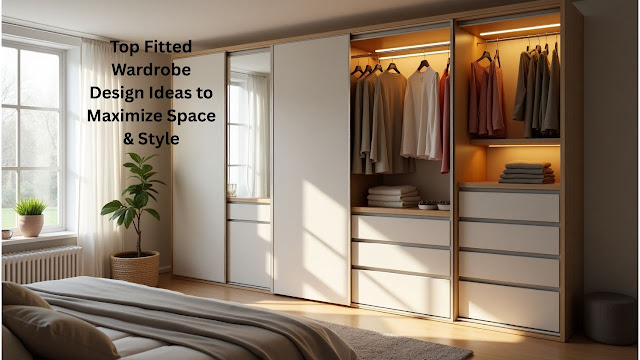
Bespoke bedroom furniture is increasingly in demand across the UK as homeowners seek better ways to maximise space, improve organisation and create interiors that reflect their lifestyles. From small city apartments and Victorian terraces to new-builds and luxury detached homes, fitted furniture has become a preferred solution for creating a seamless and highly functional bedroom design.
Modern homeowners increasingly expect furniture to offer more than simple storage. Bedrooms are now expected to accommodate home working, expanding wardrobes, personal belongings and organised storage while contributing to a calm and well-designed living environment. As a result, off-the-shelf furniture can hardly be adjusted to the specific needs of a particular property.
However, choosing bespoke furniture involves numerous decisions, including layout planning, material selection, storage configuration, colour schemes and budgeting. Without a clear understanding of what to prioritise, homeowners can find themselves investing in solutions that do not address their long-term needs.
This guide explores everything UK homeowners need to know about choosing fitted furniture that improves functionality, complements architectural features and delivers long-term value.
What Is Bespoke Bedroom Furniture?
Bespoke bedroom furniture is custom-designed and manufactured to suit the exact dimensions, layout and requirements of a specific room.
Bespoke furniture is designed to fit the space as opposed to the standard furniture which is manufactured in pre-determined sizes. Each detail, including the size of the wardrobe and shelving arrangements, finishes and storage accessories is customised to the needs of the homeowner.
Bespoke vs Made-to-Measure vs Modular Furniture
Before making a purchase decision based on furniture, one should understand the variations among the types of furniture.
Bespoke Furniture
Designed from scratch
Fully customised dimensions
Tailored storage solutions
Great selection of materials and finishes.
Made to suit personal lifestyle needs.
Made-to-Measure Furniture
On the basis of currently available products.
Small to fit a particular size.
Limited design flexibility
Moderate customisation options
Modular Furniture
Produced in normal units.
Configured in various arrangements.
More affordable
Not very accommodating to odd room designs.
True bespoke furniture is shaped to fit the room, not to it and is, therefore, especially useful to properties with architectural issues or unusual layouts.
Why More UK Homeowners Are Choosing Bespoke Furniture
The popularity of fitted bedroom furniture has grown significantly as homeowner expectations and property trends continue to evolve
Better Use of Available Space
A lot of UK houses have designs that render conventional furniture challenging to fit in.
Examples include:
Sloping ceilings
Alcoves
Bay windows
Eaves storage areas
Narrow bedrooms
Bespoke furniture makes use of every available centimetre, transforming otherwise unused space into practical storage.
Improved Organisation
Customised storage systems enable homeowners to create dedicated storage areas for:
Clothing
Footwear
Accessories
Bedding
Seasonal items
Jewellery
Personal belongings
Such an organisation enhances the functionality and minimises clutter in bedrooms.
Premium Appearance
Furniture that is built-in provides a unified and integrated appearance which is hardly possible in freestanding units. Straight lines, uniform finishes and a perfect fit add to a sophisticated look that can be used to match modern interior design tastes in the UK.
Potential Property Value Benefits
Although the furniture does not necessarily lead to increased property values, fitted storage can enhance the appeal to the buyers, when well-designed. Storage is also one of the most desired amongst UK homebuyers especially in the urban centers where space is limited.
Long-Term Durability
High-end custom furniture is usually produced out of high-quality materials and construction techniques. This usually leads to an increase in life expectancy as compared to mass-produced alternatives.
Personalisation
Homeowners can customise every aspect of the design, such as:
Storage configurations
Finishes
Colours
Door styles
Internal accessories
Lighting features
Enhanced Functionality
Each household has various needs. Bespoke furniture supports everyday activities rather than forcing homeowners to adapt to standardised designs.
Read More :- Loft Conversion Eaves Storage: Ideas to Maximise Hidden Space
Factors to Consider Before Choosing Bespoke Bedroom Furniture
Room Measurements
Minor mistakes may impact on the quality of installation, functionality and visual balance. Professional surveys will make sure that all dimensions are taken into consideration such as:
Ceiling heights
Wall irregularities
Skirting boards
Cornices
Radiators
Window positions
Electrical fittings
Many older UK properties feature uneven walls and floors, thus requiring professional measurement.
Lifestyle Requirements
An overview of the intended use of the bedroom is crucial in designing bespoke storage.
Couples
May require:
Separate wardrobe sections
Additional hanging space
Shared storage solutions
Dual-access layouts
Families
Often benefit from:
Flexible storage
Additional linen storage
Adaptable shelving
Child-friendly organisation
Professionals
Frequently prioritise:
Integrated workspaces
Smart organisation systems
Efficient clothing storage
Technology integration
Children and Teenagers
Require furniture which can be modified to suit changing needs.
Retirees
May prioritise:
Accessibility
Ease of use
Improved organisation
Reduced maintenance
Storage Requirements
The planning of storage ought to start with an assessment of the present and forthcoming needs.
Consider:
Hanging Space
Different types of clothing require different hanging heights.
Examples include:
Long dresses
Coats
Suits
Shirts
Shelving
Ideal for:
Knitwear
Handbags
Bedding
Decorative items
Drawers
Useful for:
Underwear
Accessories
Folded clothing
Shoe Storage
Special solutions enhance access and organisation.
Accessory Storage
Specialised compartments may be used to carry:
Watches
Jewellery
Belts
Ties
Scarves
Seasonal Storage
Overhead storage helps maximise available space while reducing clutter.
Bedroom Layout
Each of the properties offers its own design opportunities and constraints.
Alcoves
Custom cabinets will help turn the unused recesses into useful storage areas.
Sloping Ceilings
These are used in loft conversions and must be custom-built to run along the roofline.
Bay Windows
Bespoke furniture can be designed around bay windows while preserving natural light.
Narrow Bedrooms
Wardrobes that extend to the ceiling make the most of the space without decreasing the size of the floor space.
Period Properties
Victorian and Edwardian homes have an uneven nature in their dimensions and this may also need a tailor-made approach.
Modern Homes
Modern trends often tend to be based on the minimalist design of fitted furniture.
Design Style
Furniture furnishings must be in harmony with the architecture and the personal taste of the homeowner.
Contemporary
Features:
Clean lines
Minimal detailing
Integrated storage
Minimalist
Focuses on:
Simplicity
Clutter-free layouts
Neutral palettes
Traditional
Often includes:
Decorative mouldings
Framed doors
Classic craftsmanship
Scandinavian
Characterised by:
Natural materials
Light tones
Functional simplicity
Shaker
It is a classic and can be used in many ways; therefore, it is a widely used option in UK houses.
Modern Luxury
Integrates high quality finishes, exquisite detailing and stylish storage options.
Material Selection
The quality of materials directly determines the durability, look and performance in the long run.
MDF
MDF of high quality is popular owing to:
Stability
Smooth finish
Excellent paint application
Solid Wood
Offers:
Natural character
Longevity
Premium appeal
Yet, it normally comes at a premium price.
Veneers
Offer the look of natural timber and have better material efficiency.
Laminates
They are durable and come with a variety of finishes and are suitable for modern interiors.
High-Gloss Finishes
Commonly applied in contemporary bedrooms to illuminate the room and give it a roomy look.
Matt Finishes
Gaining more and more popularity because of their non-obtrusive beauty and ability to resist being left with fingerprints.
Homeowners need to take into consideration:
Durability
Maintenance requirements
Environmental credentials
Moisture resistance
Expected lifespan
Colour Choices
The choice of colour must be a balance between the existing preferences and long term attractiveness.
Neutral Palettes
Will stay extremely popular in UK interiors since it has flexibility and permanence.
Common choices include:
Soft white
Warm beige
Stone
Greige
Taupe
Dark Finishes
Create sophistication and visual depth.
Popular options include:
Charcoal
Deep navy
Graphite
Natural Wood Tones
Provide warmth and long-lasting appeal.
Two-Tone Designs
Use contrasting finishes to ensure there is balance and to make it interesting.
Classic colour schemes are normally more enduring in comparison to fashion-driven options.
Internal Storage Design
External appearance matters but internal organisation matters as far as long term satisfaction is concerned.
Consider incorporating:
Adjustable Shelving
Allows future reconfiguration.
Soft-Close Drawers
Enhance functionality and durability.
Pull-Out Storage
Improves accessibility.
Jewellery Organisers
Offer safe, special storage.
Tie and Belt Racks
Support efficient organisation.
Integrated Lighting
Enhances visibility and gives it a touch of class.
Hidden Storage
Best suited to the valuables and items that are used less frequently.
Budget Planning
Bespoke furniture should be viewed as a long-term investment rather than a short-term expense.
Budget considerations include:
Design consultation
Materials
Manufacturing
Installation
Internal accessories
Lighting integration
Warranty coverage
The cheapest solution is not necessarily the best. Good materials, good workmanship and professional installation normally lead to long life span and less replacement costs.
Common Mistakes Homeowners Make
Preventing pitfalls can make a considerable change in the results of the projects.
Prioritising Appearance Over Functionality
Beautiful furniture, which is not practical in terms of storage, will cause frustration, in the long run.
Ignoring Future Storage Needs
Storage needs tend to go up with the increase in households and change in lifestyles.
Relying on Inaccurate Measurements
Even small errors in measurements can result in significant problems with installation.
Overlooking Lighting
Lack of visibility diminishes usability especially in deep wardrobes.
Neglecting Internal Organisation
Even large wardrobes may prove inefficient without the proper planning.
Choosing Short-Lived Trends
Very trendy designs can soon become obsolete.
Hiring Inexperienced Installers
Good quality furniture can fail to perform well in case it has been poorly installed.
Design Trends for Bespoke Bedroom Furniture in 2026
Fitted bedroom design in the UK is being influenced by several trends.
Floor-to-Ceiling Wardrobes
Make the storage space as large as possible and streamlined.
Handleless Designs
Continue to dominate contemporary interiors because of their clean, minimalist appearance.
Hidden Storage
Homeowners are more inclined towards inconspicuous solutions which minimize visual clutter.
Integrated Lighting
Wardrobes have LED lights that enhance functionality and ambience.
Sustainable Materials
Increased environmental consciousness is resulting in the need to demand more responsible sourcing of materials and manufactures with lower impact.
Smart Storage Solutions
New internal accessories enhance organisation and access.
Multi-Functional Furniture
Multi-purpose furniture is very useful in small houses.
Minimalist Interiors
Minimalistic lines and spacious designs are still very popular.
Natural Textures
Wood grains, tactile finishes and organic materials add warmth and character.
Soft Neutral Colour Palettes
Soft, nature-inspired colour palettes continue to influence bedroom design.
Questions to Ask Before Purchasing Bespoke Furniture
Consider the following checklist before choosing a supplier.
Materials
What are the materials used?
How long-lasting are the expectations?
Are sustainable options available?
Manufacturing
In which country is the furniture produced?
What are the quality-control procedures?
Installation
Who is to do the installation?
What is done about site issues?
Lead Times
How will the production schedule be?
Are there any delays that might occur?
Warranty
What is the warranty coverage?
What is not covered by the warranty?
Customisation
Which design possibilities can be chosen?
Is it possible to accommodate future changes?
Maintenance
What is the continued care needed?
Is there availability of replacement parts?
Why Professional Design Matters
Aesthetics are not the only benefits that professional design expertise brings.
Space Planning
Designers determine the potential of maximising utilised space.
Accurate Measurements
Detailed surveys reduce installation risks and improve accuracy.
Visual Balance
Professional planning ensures that furniture is in line with architectural features.
Storage Optimisation
Professional designers develop designs that facilitate patterns of real-life use.
Long-Term Functionality
Properly designed furniture will last long.
Installation Quality
Professional installation will be of great help to the look, and the life and performance.
Read More :- Top 10 Corner Sofa Beds with Storage for Small UK Homes | 2026 Buying Guide
Why Dreamztime Is a Trusted Choice
When it comes to bespoke furniture, it is important to have trust in both design and craftsmanship.
Dreamztime understands that UK homeowners have unique requirements and provides tailored bedroom solutions that balance aesthetics, functionality and long-term value. Each project is created based on the unique requirements of the property and the residents with meticulous space planning, selection of premium materials and tailor-made storage design.
The company style has been influenced by the modern UK design trends but still has a high level of practicality, organisation and durability. Whether it is a small bedroom that needs storage ideas that fit in the tight space or home decor that is luxurious and needs the best finishes, Dreamztime focuses on accuracy, quality and considering the customer design.
With its professional craftsmanship and insight into the contemporary needs of living, Dreamztime enables homeowners to design a beautiful yet highly functional bedroom.
Conclusion
When it comes to the question of selecting fitted furniture, there is way more than just making a choice of pretty finishes or the type of wardrobe. The most successful designs are those that reflect the homeowner's lifestyle, maximise available space and provide practical storage solutions for years to come.
This bespoke bedroom furniture guide shows the significance of meticulous planning, measuring, wise choices of materials and professional design skills. Bespoke furniture brings the benefit of flexibility and functionality to furnishing a small city apartment, remodeling a family home or creating a luxury bedroom suite, which standard furniture can rarely match.
To home owners who are considering how they can select fitted furniture, the most important consideration is to be able to focus on long-term usefulness as well as aesthetic appeal. Designed with proper care, customised bedroom furniture gives outstanding organisation, improves daily living and is a worthwhile investment regarding the house and the future.
Frequently Asked Questions
What is bespoke bedroom furniture?
Bespoke bedroom furnishings are specifically designed and produced to fit the size, fit and storage needs of a room and offer a completely personalised solution.
Is bespoke furniture worth the investment?
Bespoke furniture can be very helpful in the long run due to better space efficiency, increased durability, customised storage and high quality designs to many homeowners.
How long does bespoke furniture last?
When made of strong materials and properly installed, the high-quality bespoke furniture can serve several decades.
What is the cost of bespoke bedroom furniture in the UK?
The costs are different depending on the size of the rooms, materials, storage complexity, finishes and installation needs. Fully customised solutions are typically more expensive than standard furniture but have higher long-term benefits.
Which are the ideal materials to use in fitted bedroom furniture?
High-quality MDF, solid wood, veneers and laminates are considered to be popular. The most appropriate option will be based on cost, design styles and longevity needs.
What is the best way to select fitted furniture for a small bedroom?
Pay attention to floor-to-ceiling storage, built-in organisation systems, light-reflective finishes and designs that can take full advantage of every available centimetre of space.
Does bespoke bedroom furniture add value to a property?
Although the increase in values differs, well-crafted fitted storage can enhance the appeal of buyers and the overall functionality of a particular property.
What to consider when ordering custom furniture?
Consider the quality of review materials, design, storage features, installation, warranty, lead times and future flexibility before making a choice.

Comments
Post a Comment