How Bespoke Fitted Furniture Is Transforming Modern UK Living in 2026

Introduction
The lifestyle in the UK has radically evolved within the last decade. Homes are not considered as the same place to eat, sleep and relax. They now serve as workplaces, entertainment spaces, wellness retreats and multifunctional family environments. This has seen homeowners demanding interiors that can adjust to changing lifestyles and provide them with both aesthetic value and functionality.
This has increased the need to have personalised living spaces that have the highest utilisation of each square metre. Whether it is small city apartments, Victorian terraces or new-build developments, homeowners are reevaluating how their homes operate on a day to day basis. The generic furniture solutions tend to fail to address these dynamic needs, and there has been increasing interest in customised solutions.
One of the most significant bespoke furniture trends UK homeowners are embracing in 2026 is the shift towards fitted and made-to-measure solutions. Fitted furniture is a customised way to unite the beauty, utility and long-term investment, enabling homeowners to make homes work harder, but feel more relaxed and organised.
With considerate design now becoming an integral part of both functional utility and stylish aesthetics, custom furniture is becoming a hallmark of contemporary Britain.
Why Bespoke Furniture Is Becoming Essential
The recent growth in popularity of custom made fitted furniture is strongly correlated to broader social, economic and housing trends in the UK.
Smaller Living Spaces Require Smarter Design
Based on current housing and development trends, most modern housing has a smaller internal space as compared to those constructed many decades back. This puts more emphasis on effective layouts and smart storage.
Fitted solutions, in contrast to freestanding furniture, are created according to the size of a room. They make use of awkward corners, alcoves, sloping ceilings and unused vertical space and therefore enable the homeowners to gain much more in the way of storage capacity without adding to the clutter.
Hybrid Working Has Changed Interior Priorities
The emergence of flexible working methods has permanently changed home environment expectations.
Multi-purpose rooms should be in place where before there was one room. Bespoke home office furniture enables homeowners to create productive workspaces that integrate seamlessly into bedrooms, living rooms or spare rooms without interfering with the aesthetics.
Organisation Has Become a Lifestyle Priority
Contemporary homeowners are becoming increasingly aware of the connection between organised spaces, wellbeing and productivity.
Specialized storage systems assist in removing visual clutter by providing a place to store clothes, technology, home and personal items. Fitted furniture is a convenient and stylish way to satisfy the demands of interior design and the decision to use home organisation as a key determinant.
Personalisation Is Driving Design Decisions
Individuals are demanding houses that are more related to their personal lifestyles as opposed to mass design trends.
Customised furniture has a degree of customisation that cannot be matched by mass-produced alternatives. Homeowners are able to customize the size, finishes, plans, materials and storage systems to fit particular needs.
Quality and Longevity Matter More Than Ever
The economic uncertainty has promoted the purchasing of products that are lasting by many homeowners.
Furniture, especially luxurious fitted furniture, is often regarded as a long-term investment as it is based on high-quality craftsmanship, quality of materials and timeless design. Instead of having to change furniture after every few years, the homeowners are now focusing on solutions that can last a lifetime.
Interior Design Trends Driving Bespoke Furniture in 2026
A number of the UK interior design trends are influencing the demand of bespoke furniture in 2026.
Minimalist Living
Minimalism has transcended beyond aesthetics to a practical way of living.
Instead of blank areas, minimalist interiors today are about minimizing unwarranted visual distractions. This objective is achieved through custom-made furniture and built-in storage that helps to hide the daily life items without creating a cluttered architectural look.
Hidden Storage
Storage is also becoming a part of the home itself structure.
Cloaked wardrobes, under-media, seating storage and flush cabinetry assist to create seamless interiors as well as enhance functionality.
Multi-Functional Spaces
Rooms will have several functions.
A home office can also be used as a guest bedroom. A place to eat can be transformed into a working place. Custom-made furniture is able to facilitate such transitions with flexible layout and smart storage mechanisms.
Sustainable Design
Green factors are playing an ever-growing role in buyer choices.
Consumers purchasing furniture are demanding long-lasting furniture that focuses on sustainability, responsible sourcing and waste reduction. Thanks to its inability to wear out easily and unique production, fitted furniture fits these values.
Soft Natural Materials
The use of tactile materials is still gaining popularity, as noted in design publications and among interior professionals.
Wood veneers, finishes, textured surfaces, linen-inspired surfaces and organic detailing make the interior warm and comfortable, and they do not contradict the modern interiors.
Neutral Colour Schemes
During contemporary British households, earthy neutrals continue to prevail.
Muted greens and off-whites, warm greys, stone colours, soft taupes form versatile background, which is especially well adapted to the bespoke fitted furniture, where the handiwork and architectural ornamentation come into the fore.
Smart Home Integration
Incorporation of technology in interior design is on the rise.
They now expect furniture to be equipped with charging points, hidden technology, intelligent lighting and connection devices without affecting the simplicity of the visual design.
Flexible Living Spaces
Flexibility has emerged as one of the design principles.
Whether it is to accommodate a growing family, changing work patterns or future lifestyle changes, homeowners are focusing on interiors which can change with time.
How Bespoke Fitted Furniture Is Transforming Different Areas of the Home
Bedrooms
Bedrooms are still on the list of the most popular places on which to invest in fitted furniture.
Fitted Wardrobes
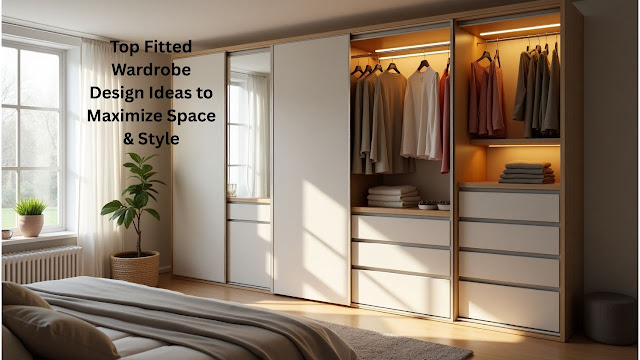
Fitted wardrobes are the most effective at maximising storage without a messy look. Floor-to-ceiling plans use all the available centimetres and do not create space wastage in an area that is not on the unit.
Fitted Bedroom Furniture
Cohesive interiors are achieved through integrated bedside units, dressing areas, storage benches and custom cabinetry, which are luxurious yet practical.
Benefits include:
Increased storage capacity
Reduced visual clutter
Improved room proportions
Enhanced organisation
Greater design consistency
Living Rooms
Residential areas are being expected more and more to provide entertainment, leisure, occupation and family.
Built-in furniture enables the homeowner to combine the media storing, shelving, display space and hidden cupboards into a single design.
Custom solutions can:
Conceal cables and technology
Create balanced focal points
Improve storage efficiency
Enhance architectural features
Home Offices
Fitted home office furniture will continue to be in demand in the year 2026.
Specially designed workspaces enhance efficiency and minimize disturbance to the remaining part of the house.
Popular features include:
Built-in desks
Integrated shelving
Concealed filing systems
Acoustic storage solutions
Technology integration
Kitchens
The kitchen continues to be the heart of most British houses.
Customised cabinetry will assist homeowners in optimising storage and enable them to support their personal habits of cooking, eating and entertaining.
Custom designs may enhance the workflow, organisation and general usability.
Utility Rooms
Utility rooms are often an unthought-of location where custom storage solutions help tremendously.
Bespoke furniture can accommodate:
Laundry appliances
Cleaning supplies
Recycling systems
Pet equipment
Household storage
Properly laid out utility spaces add to a more orderly house in totality.
Hallways
Hallways are often littered because of coats, footwear, bags and seasonal clothes.
Storage space made into fitted spaces makes these transitional spaces functional and organised giving a good first impression.
Loft Conversions
Lofts have their design peculiarities because of angled ceilings and non-uniform dimensions.
Custom-designed furniture enables house owners to use all the available space and leave the precious floor space intact.
Under-Stair Storage
Under-stair spaces are still one of the least used spaces in the homes of the UK.
Bespoke solutions can incorporate:
Pull-out drawers
Shoe storage
Home office stations
Wine storage
Household organisation systems
Read More :- How Fitted Wardrobes Benefit Small Bedrooms
Smart Storage Solutions for Modern Homes
With functionalism and aesthetics remaining a key focus of modern home interiors 2026, storage innovation has taken centre stage in the design of bespoke furniture.
Floor-to-Ceiling Cabinetry
Vertical storage makes maximum use of space, and offers a clear view.
Hidden Compartments
Discrete lockers offer convenient valuables, tech and home storage.
Modular Shelving
Flexible shelving systems enable homeowners to flexibly change the storage arrangement as demand changes.
Integrated Lighting
Wardrobes, shelving and cabinetry LED lighting helps to improve vision and also provides an elegant appearance.
Built-In Desks
The small workstations can fit into the bedroom, living room and alcoves without necessarily having separate rooms.
Custom Wardrobe Interiors
Modern fitted wardrobes are becoming more and more characterized by:
Adjustable shelving
Pull-down hanging rails
Jewellery storage
Shoe organisation systems
Integrated mirrors
Media Storage
To keep the interiors clean and uncluttered, the entertainment equipment may be hidden behind custom-made cabinetry.
Flexible Storage Systems
Furniture is also being designed to suit the changing family needs, upgrades on technology and changing lifestyles.
The Role of Sustainability
Sustainability is no longer considered as a niche issue but rather a mainstream design concern.
Responsible Material Sourcing
A high number of manufacturers are focusing more on certified timber, veneers that are sourced responsibly and materials that are environmentally friendly.
Durable Construction
Furniture that is of long duration lowers the replacement rate and reduces utilisation of resources.
Reduced Furniture Waste
Bespoke furniture is also produced to specifications, unlike mass-produced furniture, thus minimizing the amount of unnecessary material waste.
Long Product Lifespan
Longevity is one of the most powerful sustainability benefits of custom made fitted furniture.
The furniture with the design that is meant to last several decades will produce less impact on the environment than items needing regular updates.
Supporting Local Craftsmanship
The numerous custom-made furniture projects are based on local production and artisans, which minimizes the transportation needs and helps local economies.
Energy-Efficient Production
The development of technology in manufacturing is still enhancing efficiency in the use of energy during the manufacturing process.
Circular Design Principles
Increasingly, furniture is being designed with future adaptability, refurbishment and material recovery in mind.
Technology and Bespoke Furniture
The use of technologies is becoming one of the hallmarks of modern furniture design.
Integrated Charging Stations
Specialized points of charge minimise cable mess and enable the connected lifestyles.
Smart Lighting
Wardrobes, shelving and cabinetry can be fitted with automated lighting systems to be more convenient.
Wireless Charging
Furniture surfaces are increasingly incorporating discreet wireless charging functionality.
Hidden Cable Management
Hidden cable paths ensure the neat appearance and accommodate several gadgets.
Smart Wardrobes
New wardrobe systems have also an in-built lighting automation, features of inventory management and better organisational functionality.
Automated Storage Features
Mechanisms and hardware are motorised and enhanced to make it easier to access and use.
Connected Home Design
Furniture is also becoming designed to fit in broader smart home ecosystems.
Benefits Beyond Aesthetics
Although appearance is still crucial, the benefits of custom furniture go far beyond the visual appeal.
Improved Organisation
Specialized storage options are conducive to effective daily operations.
Better Space Efficiency
More efficient use of every space of the house can be made.
Increased Property Value
Fitted furniture is professionally made and can increase the interest of buyers, as well as have a positive impact on perceived property value.
Greater Functionality
Customized furniture will provide better functionality than generic furniture.
Improved Wellbeing
Organised, clutter-free spaces are often associated with reduced stress levels and greater comfort.
Better Daily Routines
Effective storage and considerate designs facilitate daily activities.
Long-Term Return on Investment
Quality bespoke furniture can deliver value through durability, functionality and long-term performance.
Common Mistakes to Avoid
Even the best projects may fail when the most crucial considerations are not taken into consideration.
Prioritising Appearance Over Function
A beautiful design should also be conducive to everyday use.
Ignoring Future Storage Needs
Storage requirements usually rise up as time goes by.
Poor Measurements
To have a successful fitted furniture installation, accurate surveying is vital.
Low-Quality Materials
The quality of materials can considerably influence the durability, long-term performance and appearance.
Following Short-Term Trends
Classic design principles tend to be more valuable over time, as compared to highly-fashioned decisions.
Inadequate Lighting
Areas used to store should have appropriate lighting to maximise utility.
Poor Internal Layouts
Furniture internal organisation can have more significance than the outside look.
Future of Bespoke Furniture in the UK
Bespoke furniture has a very close connection with the future of housing, technology and sustainability.
AI-Assisted Furniture Design
Online design software is now assisting homeowners to design layout, storage options and finishes that they want before they are manufactured.
Sustainable Manufacturing
Innovation in materials and enhanced production processes will keep on minimizing environmental impact.
Modular Fitted Furniture
The systems of the future will probably provide more flexibility and still retain the advantages of fitted design.
Personalised Interiors
Individuality and customised living environments will still be the priority of consumers.
Smart Home Integration
Technology will be more integrated into the design of furniture as opposed to being used as an appendix.
Flexible Family Living
Furniture will also be able to accommodate the shifting household patterns, working-at-home and changing lifestyle demands.
Future Housing Trends
With the growing urbanization and the development of living spaces, the need for space-saving furniture and smart storage facilities is likely to become even more popular.
Read More:- Smart Storage Solutions for Small Bedrooms to Maximize Space
Why Homeowners Are Choosing Bespoke Solutions
Bespoke furniture is appealing to both demographics and types of property.
Bespoke solutions are more and more attractive to homeowners since they provide:
Greater personalisation
Superior craftsmanship
Better space optimisation
Long-term durability
Lifestyle compatibility
Premium finishes
Improved storage efficiency
Enhanced property appeal
In contrast to conventional furniture, tailor-made fitted furniture is tailored to the requirements of the particular homeowner and the individual property features. This makes interiors that are thoughtful, harmonious and most functional.
In the case of period houses, custom furniture may be used to enhance the original architectural features and enhance functionality. In the context of modern homes, it can support modern design ideals and clean lines. The outcome in both instances is a more meaningful living environment.
Conclusion
The growing popularity of bespoke fitted furniture reflects a broader shift in how people across the UK live, work and make the most of their homes.
More homeowners are choosing design solutions that combine style, practicality and long-term value. From custom-made wardrobes and built-in home offices to tailored storage solutions, bespoke furniture helps maximise every inch of available space while creating interiors that suit modern lifestyles.
As bespoke furniture trends in the UK continue to evolve, the focus is moving towards thoughtful, future-ready designs that adapt to changing household needs. Sustainability, flexibility, smart storage and expert craftsmanship are now essential elements of contemporary home design.
At Dreamztime, we believe every home deserves furniture that is as unique as the people living in it. Our bespoke fitted furniture is designed to blend seamlessly with your space, offering personalised storage solutions that enhance both functionality and aesthetics. Rather than being a luxury, bespoke furniture has become a smart long-term investment for homeowners who want stylish, clutter-free interiors that remain practical and timeless for years to come.
FAQs
What is bespoke fitted furniture?
Fitted furniture: Bespoke fitted furniture is custom-designed to fit a specific room, property and homeowner. It is crafted to exact sizes, and customized to personal storage, aesthetic and utilitarian needs.
What is the reason why bespoke furniture is becoming popular in the UK?
Smaller living spaces, hybrid working arrangements, growing interest in home organisation, sustainability concerns and the desire for personalised interiors are driving demand.
Does custom furniture made to order add to the value of property?
Although the results depend on property and market dynamics, good quality fitted furniture can increase the attractiveness to the buyer by boosting storage, functionality and general appearance which may lead to perceived property value.
Can a small home be equipped with bespoke furniture?
Yes. Bespoke furniture is especially suitable to a smaller home since it makes use of the available space in a better way as compared to the normal freestanding furniture. Floor-to-ceiling storage and customized designs are particularly helpful.
What are some of the most popular materials that fitted furniture is made of?
Examples of common materials are engineered wood products, hardwoods, timber veneers, laminates, painted finishes, glass, metal accents and sustainably sourced wood based materials.
Is bespoke fitted furniture environmentally friendly?
It can be. Other attributes of sustainable furniture practices are responsible sourcing of materials, longevity of construction, local production, and minimized waste and extended durability of a product over alternatives produced in bulk.
What is the life span of tailor-made fitted furniture?
When properly maintained, good fitted furniture can serve a number of decades, and therefore is a long-term investment to most homeowners.
What will be the interior trends of UK homes in 2026?
Minimalist living, concealed storage, versatile multi-purpose rooms, sustainable design, natural materials, smart home, neutral colours and customised interiors which focus on comfort as well as functionality are key trends.

Comments
Post a Comment