10 Smart Storage Ideas for UK Homes in 2026: How to Make Every Inch Count

Finding enough storage can be a challenge in any home, particularly when bedrooms, hallways, lofts and living areas have awkward layouts or limited floor space. Instead of adding more bulky furniture, UK homeowners are increasingly looking for smarter ways to use the space they already have.
In 2026, the focus is shifting towards space-efficient, practical and personalised storage. Rather than treating storage as something that should simply hide clutter, homeowners are incorporating it into the design of their rooms.
Recent UK home-design research from Houzz highlights growing interest in smart storage solutions, while current interior trends increasingly focus on making rooms more functional without compromising their appearance.
Whether you live in a compact flat, a Victorian terrace, a modern new-build or a larger family home, the right storage strategy can help you make better use of every available centimetre.
Here are 10 smart storage ideas worth considering for UK homes in 2026.
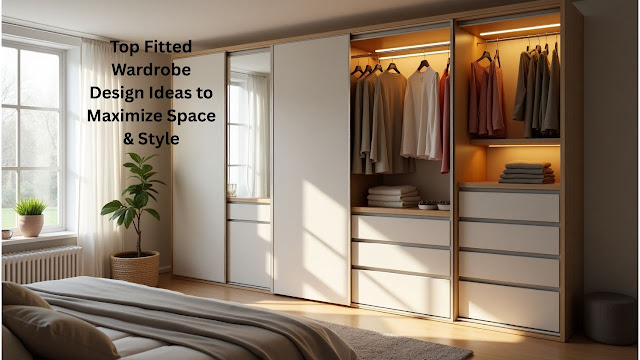
1. Choose Floor-to-Ceiling Fitted Wardrobes
One of the easiest ways to increase bedroom storage is to make better use of the vertical space above and around your existing furniture.
Standard freestanding wardrobes often leave a gap between the top of the wardrobe and the ceiling. That space may be difficult to reach, but it can still be extremely useful for storing seasonal clothing, luggage, bedding and other items that are not needed every day.
A floor-to-ceiling fitted wardrobe can use much more of the available wall height.
Why floor-to-ceiling storage works
Maximises vertical space
Provides additional shelving and hanging areas
Creates a cleaner, more streamlined appearance
Reduces unused gaps above wardrobes
Can be designed around the exact dimensions of the room
This can be particularly useful in smaller UK bedrooms where every part of the room needs to work efficiently.
Fitted wardrobes are also well suited to awkward spaces such as alcoves and rooms with sloping ceilings, where standard furniture may leave significant areas unused.
2. Make Awkward Alcoves Work Harder
Alcoves are common features in many UK properties, especially period homes and rooms surrounding chimney breasts.
Unfortunately, these spaces can be difficult to furnish with standard-sized furniture.
Instead of leaving an alcove empty, consider turning it into dedicated storage.
Depending on the room, an alcove can accommodate:
Built-in cupboards
Shelving
Bookcases
Display storage
Media storage
Wardrobe space
Home office storage
The advantage of bespoke furniture is that the storage can be designed around the available width, depth and height rather than forcing a standard product into the space.
For homeowners looking to improve both functionality and appearance, this can turn an otherwise awkward area into one of the most useful parts of the room.
3. Use Sliding Wardrobe Doors in Smaller Bedrooms
Traditional hinged wardrobe doors need additional clearance when they open.
In a compact bedroom, that can make furniture placement more difficult and reduce usable floor space.
Sliding wardrobe doors provide an alternative because the doors move horizontally rather than opening into the room.
They can be particularly useful where:
The bed is close to the wardrobe
The bedroom has a narrow layout
There is limited clearance around furniture
You want a clean, contemporary appearance
Mirrored sliding doors can also help reflect natural light and create the visual impression of a brighter room.
However, the best wardrobe door style depends on the room layout, available wall space and how you intend to use the storage.
4. Turn Under-Stairs Space into Practical Storage
The space beneath a staircase is one of the most commonly overlooked storage opportunities in UK homes.
Instead of allowing it to become a dumping ground for shoes, bags and miscellaneous items, it can be planned as organised storage.
Depending on the available space, options include:
Pull-out drawers
Cupboards
Shoe storage
Coat storage
Cleaning equipment storage
Shelving
Small home office areas
A bespoke under-stairs solution can follow the shape of the staircase, allowing different sections to be used for different purposes.
This is particularly valuable because the storage can be integrated into the existing architecture rather than taking up additional floor area elsewhere in the home.
5. Make Better Use of Loft and Eaves Space
Homes with lofts or rooms featuring sloping ceilings often have areas that are difficult to use with conventional furniture.
Low eaves areas, in particular, can become wasted space.
However, bespoke storage can be designed to follow the shape of a sloping ceiling.
Possible solutions include:
Low-level cupboards
Eaves wardrobes
Built-in drawers
Shelving
Seasonal storage
Integrated bedroom storage
This approach allows homeowners to turn irregular spaces into useful storage without making the room feel crowded.
For loft wardrobes, fitted furniture can be especially effective because it can follow the roofline and use areas that would otherwise remain inaccessible.
6. Create Multi-Functional Home Office Storage
Working from home has changed how many people use spare bedrooms, living rooms and other areas of the house.
A desk alone may not be enough. Modern home offices often need space for paperwork, technology, books, stationery and equipment.
Instead of filling the room with separate cabinets, consider integrating the workspace and storage into one fitted solution.
A well-planned home office can combine:
A dedicated desk
Overhead shelving
Closed cupboards
Filing storage
Cable management
Display shelving
Hidden equipment storage
The benefit is that the workspace can be designed around the room instead of adapting the room around several separate pieces of furniture.
It can also make it easier to close away work-related clutter at the end of the working day.
7. Use Built-In Living Room Storage Around the TV
Televisions, games consoles, speakers and media equipment can quickly create visual clutter in a living room.
A built-in media wall or fitted TV unit can provide a dedicated place for entertainment equipment while incorporating additional storage.
Depending on the design, you could include:
Closed cupboards
Open shelving
Display areas
Cable management
Book storage
Decorative lighting
Space for media equipment
The key is to balance open and closed storage.
Open shelving can be useful for displaying books and accessories, while closed cupboards allow less attractive everyday items to remain hidden.
This creates a more organised living environment without sacrificing functionality.
8. Add Storage to Unused Wall Space
When floor space is limited, look upwards.
Walls can provide valuable storage opportunities without significantly reducing the usable floor area.
Depending on the room, you might consider:
Tall shelving
Wall-mounted cabinets
Floating shelves
Built-in bookcases
Full-height wardrobes
Over-door storage
Vertical storage is particularly useful in smaller flats and bedrooms, where floor space is at a premium. UK property-focused guidance on small homes also highlights floor-to-ceiling storage as a practical way to increase capacity without taking additional floor area.
However, avoid covering every wall with storage. A good design should combine useful storage with enough open space to keep the room comfortable.
9. Give Seasonal Items Their Own Storage Zones
One reason storage becomes difficult is that everyday belongings and occasional-use items are often mixed together.
Winter coats, Christmas decorations, suitcases, spare bedding and other seasonal items do not need to occupy prime storage space throughout the year.
Instead, create dedicated zones for items that are used less frequently.
For example:
Everyday storage:
Clothing, shoes, toiletries and frequently used household items.
Occasional storage:
Suitcases, guest bedding, seasonal clothing and decorations.
Long-term storage:
Items that are rarely needed but still worth keeping.
This simple approach can make existing storage feel much larger because frequently used belongings remain easy to access.
10. Consider Bespoke Storage for Difficult Spaces
Sometimes the problem is not a lack of storage ideas but a lack of suitable furniture.
Standard furniture is generally manufactured in common sizes. Your home, however, may have completely different dimensions.
You may have:
Uneven walls
Sloping ceilings
Narrow gaps
Deep alcoves
Low eaves
Unusual room shapes
Chimney breasts
Limited door clearance
This is where bespoke storage can make a significant difference.
Instead of trying to fit standard furniture into an awkward room, the furniture can be designed around the room itself.
That means every section can have a specific purpose, from hanging rails and drawers to shelving and concealed cupboards.
How to Choose the Right Storage Solution for Your Home
Before investing in new storage, take some time to understand what is actually causing the problem.
Ask yourself:
What do I need to store?
Start by making a realistic list of the items you want to organise.
A wardrobe designed mainly for clothing will need a different internal configuration from one used for clothing, luggage, shoes and household items.
How often do I use each item?
Keep frequently used items within easy reach.
Less frequently used belongings can be stored higher up or in less accessible areas.
How much floor space can I sacrifice?
If the room is already small, adding bulky furniture may make the problem worse.
Consider vertical storage, sliding doors or fitted furniture that uses otherwise wasted areas.
Are there awkward areas that standard furniture cannot use?
Look at alcoves, corners, eaves, under-stairs areas and gaps beside existing furniture.
These spaces may offer some of the best opportunities for bespoke storage.
Fitted Storage vs Freestanding Furniture: Which Is Better?
There is no universal answer because both options have advantages.
Freestanding furniture
Freestanding wardrobes and cabinets can be:
Easier to move
More readily available
Suitable for temporary accommodation
Available in a wide range of price points
However, they may leave gaps around the sides or above the furniture.
Fitted furniture
Fitted storage can:
Use the available dimensions more efficiently
Work around awkward architectural features
Provide a more integrated appearance
Offer customised internal layouts
Make better use of vertical space
Cost is an important consideration. UK pricing varies depending on materials, design, property conditions, labour and location. Which? notes that fitted wardrobe costs can vary significantly and recommends considering factors such as the complexity of the installation and specification when comparing quotes.
The right option ultimately depends on your budget, property and how long you expect to use the furniture.
2026 Storage Trends: What UK Homeowners Are Looking For
Storage is no longer purely about hiding possessions.
In 2026, homeowners are increasingly looking for solutions that combine functionality, organisation and visual design.
Current UK home trends point towards:
More specialised storage
Better use of awkward spaces
Integrated furniture
Clutter-free kitchens
Dedicated home-working areas
Personalised interiors
Multi-functional rooms
Houzz's 2026 UK Emerging Trends Report highlights increased interest in smart storage, including a substantial rise in searches for features such as appliance garages and walk-in pantries.
The broader trend is clear: homeowners want their rooms to work harder without necessarily making them look busier.
How to Make a Small Room Feel Bigger with Storage
Good storage should not simply increase capacity. It should also help the room feel more spacious.
Here are some practical principles:
Keep frequently used items organised
Clutter can make even a large room feel smaller. Give everyday belongings a dedicated place.
Use vertical space
Tall furniture can provide more capacity without extending further into the room.
Consider sliding doors
Where floor space is limited, sliding doors can reduce the clearance required in front of a wardrobe.
Combine open and closed storage
Use open shelves for attractive items and closed cupboards for belongings you would rather keep out of sight.
Avoid unnecessary furniture
Before adding another cabinet, consider whether an existing piece of furniture could be replaced with a more efficient fitted solution.
Final Thoughts
Making the most of your home's available space does not always mean adding more furniture. In many UK homes, the better solution is to look at how existing areas can be used more efficiently.
From floor-to-ceiling fitted wardrobes and sliding-door storage to under-stairs cupboards, loft and eaves solutions, alcove storage and built-in home office furniture, there are plenty of ways to turn underused areas into practical storage.
The key is to choose a solution based on your home's layout, your storage requirements and the way you use each room. Frequently used belongings should remain easy to access, while seasonal and less frequently used items can be organised in higher or less accessible areas.
For homeowners looking for a more tailored approach, Dreamztime provides bespoke fitted furniture solutions designed around individual spaces and storage needs. Its services include fitted wardrobes, sliding wardrobes, fitted bedrooms, loft and eaves storage, under-stairs storage, home office furniture and other bespoke storage solutions. This makes it possible to create furniture that works with the dimensions and character of your home rather than relying solely on standard-sized pieces.
Ultimately, good storage should make everyday life easier while helping your home feel organised, comfortable and visually balanced. With thoughtful planning, even awkward or underused spaces can become valuable parts of your home.
FAQs
What is the best storage solution for a small bedroom?
Fitted wardrobes, floor-to-ceiling storage and sliding door wardrobes can be effective options for small bedrooms because they can maximise available wall space while reducing unnecessary floor-space usage.
How can I maximise storage in a UK home?
Start by looking for unused vertical and architectural spaces such as alcoves, under-stairs areas, eaves, empty walls and the space above existing furniture. Then choose storage based on how frequently you use each item.
Are fitted wardrobes a good idea for small bedrooms?
They can be. Fitted wardrobes can be designed around the dimensions of the room, including awkward alcoves and sloping ceilings. This can make them particularly useful where standard wardrobes leave unused gaps.
Are sliding wardrobes better for small rooms?
Sliding wardrobes can be useful where there is limited clearance in front of the wardrobe because the doors do not swing outward. Whether they are the best option depends on the room's layout and available wall width.
What can I do with unused space under the stairs?
Under-stairs areas can be converted into cupboards, drawers, shoe storage, coat storage, shelving or even a compact workspace, depending on the dimensions and layout.
How much does fitted storage cost in the UK?
There is no single fixed price. Costs depend on the size, design, materials, fittings, installation requirements and location. UK consumer guidance shows that fitted wardrobe prices can vary considerably between projects, so obtaining a detailed quotation based on your specific requirements is advisable.
Is bespoke furniture worth considering for awkward rooms?
Bespoke furniture can be particularly useful where standard furniture cannot efficiently fit the available dimensions. It allows the design to account for features such as sloping ceilings, alcoves, chimney breasts and unusual wall dimensions.

Comments
Post a Comment